
Many everyday household items that seem harmless to humans can be extremely dangerous — and sometimes fatal — for dogs. Curious by nature, dogs often explore with their mouths, making accidental poisoning one of the most common veterinary emergencies in the UK.
Knowing which foods, plants, medications, and household products pose a risk can help owners prevent serious accidents and keep their pets safe at home.
Here’s a guide to some of the most common household items that are toxic to dogs and what to do if your dog is exposed.
Why Dogs Are at Risk
Dogs are naturally curious and may:
- Chew unfamiliar objects
- Search bins or countertops
- Eat dropped food
- Investigate scented products
Puppies are especially vulnerable because they explore their environment by chewing and tasting objects.
Even small amounts of certain substances can cause severe illness.
Toxic Human Foods
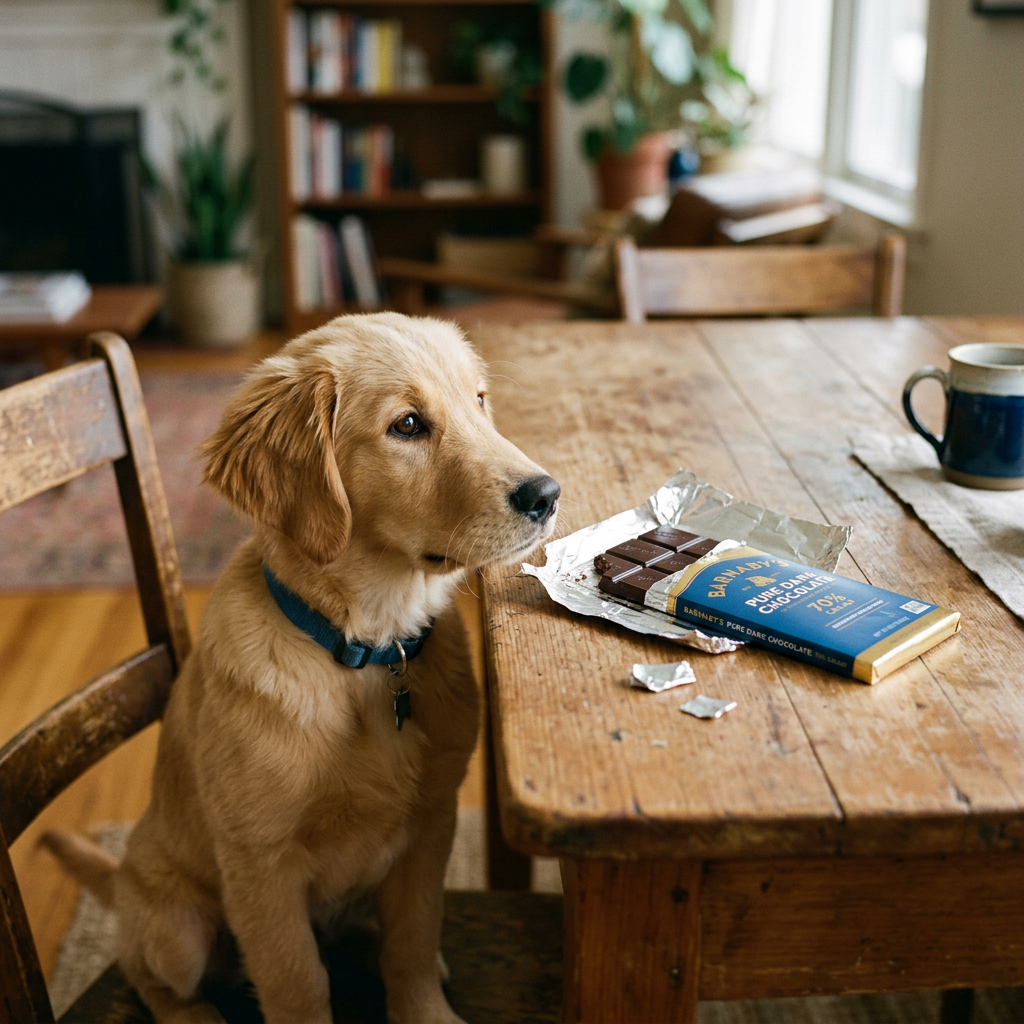
Chocolate
Chocolate is one of the most well-known dangers for dogs.
It contains:
- Theobromine
- Caffeine
which dogs cannot process properly.
Dark chocolate and cocoa powder are especially dangerous.
Symptoms May Include:
- Vomiting
- Restlessness
- Rapid heart rate
- Tremors
- Seizures
Grapes and Raisins
Even small quantities can cause sudden kidney failure in some dogs.
Toxic reactions vary, meaning some dogs may become seriously ill after eating only a few grapes or raisins.
Symptoms:
- Vomiting
- Lethargy
- Loss of appetite
- Increased thirst
Onions and Garlic
Onions, garlic, leeks, and chives can damage a dog’s red blood cells.
These ingredients can be harmful, whether:
- Raw
- Cooked
- Powdered
- Dried
Signs of Toxicity:
- Weakness
- Pale gums
- Tiredness
- Breathing difficulties
Xylitol (Artificial Sweetener)
Xylitol is found in:
- Sugar-free gum
- Some peanut butter brands
- Sweets
- Toothpaste
- Baked goods
It can cause a dangerous drop in blood sugar and liver failure.
Symptoms Can Develop Quickly:
- Collapse
- Vomiting
- Seizures
- Loss of coordination
Medications Dangerous to Dogs
Human medications should never be given to dogs unless specifically prescribed by a vet.
Common dangerous medications include:
- Ibuprofen
- Paracetamol
- Antidepressants
- ADHD medication
- Sleeping tablets
Even a single tablet can be life-threatening depending on the dog’s size.
Always store medication securely out of reach.
Household Cleaning Products
Cleaning chemicals can cause poisoning through:
- Ingestion
- Skin contact
- Inhalation
Dangerous products include:
- Bleach
- Toilet cleaners
- Drain unblockers
- Disinfectants
- Laundry pods
Possible Symptoms:
- Drooling
- Vomiting
- Burns around the mouth
- Difficulty breathing
Keep dogs away from freshly cleaned surfaces until dry.
Toxic Plants and Flowers
Several common houseplants and garden plants are toxic to dogs.
Dangerous Plants Include:
- Lilies
- Daffodils
- Tulips
- Aloe vera
- Ivy
- Sago palm
Some plants may only cause mild stomach upset, while others can affect the heart, liver, or kidneys.
Alcohol and Caffeine
Dogs are far more sensitive to alcohol and caffeine than humans.
Dangerous Sources Include:
- Coffee
- Tea
- Energy drinks
- Alcoholic drinks
- Raw bread dough
Symptoms can include:
- Vomiting
- Hyperactivity
- Tremors
- Breathing problems
- Collapse
Batteries and Electrical Hazards
Chewed batteries can leak corrosive chemicals that burn the mouth and digestive system.
Electrical cords also present risks of:
- Burns
- Electric shock
- Internal injury
Puppies are particularly at risk from chewing cables and remote controls.
Essential Oils and Fragrances
Some essential oils can be toxic to dogs, especially when:
- Applied directly to the skin
- Used in diffusers
- Inhaled in concentrated amounts
Potentially harmful oils include:
- Tea tree oil
- Cinnamon oil
- Peppermint oil
- Pine oil
Always check pet safety before using diffusers around animals.
Antifreeze
Antifreeze is extremely toxic and highly dangerous.
Dogs may be attracted to its sweet taste, but even tiny amounts can cause fatal kidney failure.
Symptoms:
- Wobbling
- Vomiting
- Excessive thirst
- Seizures
This is a veterinary emergency requiring immediate treatment.
What To Do If Your Dog Eats Something Toxic
If you suspect poisoning:
Stay Calm
Quick action is important, but avoid panicking.
Remove Access
Prevent your dog from eating more of the substance.
Contact a Vet Immediately
Provide:
- What your dog consumed
- Approximate quantity
- Time of exposure
- Your dog’s weight and breed
Do Not Induce Vomiting Unless Advised
Some substances can cause more damage if vomited back up.
Always follow professional veterinary guidance.
How to Prevent Poisoning at Home
Simple prevention measures include:
- Keeping food out of reach
- Securing bins
- Storing medication safely
- Using pet-safe cleaning products
- Checking plants before bringing them home
- Supervising dogs around unfamiliar objects
Prevention is always safer than treatment.
Signs Your Dog May Have Been Poisoned
Symptoms vary depending on the toxin but may include:
- Vomiting
- Diarrhoea
- Tremors
- Excessive drooling
- Collapse
- Seizures
- Breathing difficulties
- Weakness
Any sudden, unusual behaviour should be taken seriously.
Many common household items can pose serious risks to dogs, often in ways owners may not expect. Understanding these dangers and keeping hazardous substances safely out of reach can significantly reduce the risk of accidental poisoning.
A little extra caution around the home can go a long way in protecting your dog’s health and ensuring they stay safe, happy, and healthy for years to come.