
Bringing home a new puppy is an exciting experience filled with cuddles, playtime, and unforgettable moments. However, one of the first challenges every dog owner faces is toilet training. While accidents are a normal part of the learning process, the good news is that with consistency, patience, and the right approach, you can help your puppy develop good toilet habits quickly and effectively.
Why Toilet Training Matters
Toilet training is about more than keeping your home clean. It helps establish a routine, builds trust between you and your puppy, and teaches them what is expected. Puppies thrive on consistency, making early training one of the most valuable investments in your dog’s future.
When Should You Start Toilet Training?
Start as soon as your puppy arrives home. Most puppies can begin learning from around 8 weeks of age. Younger puppies have limited bladder control, so frequent trips outside are essential.
As a general guide, puppies can usually hold their bladder for approximately one hour per month of age. For example:
- 2-month-old puppy: Around 2 hours
- 3-month-old puppy: Around 3 hours
- 4-month-old puppy: Around 4 hours
Keep in mind that every puppy is different, and excitement, eating, drinking, or playing can shorten this time considerably.
Create a Consistent Toilet Routine
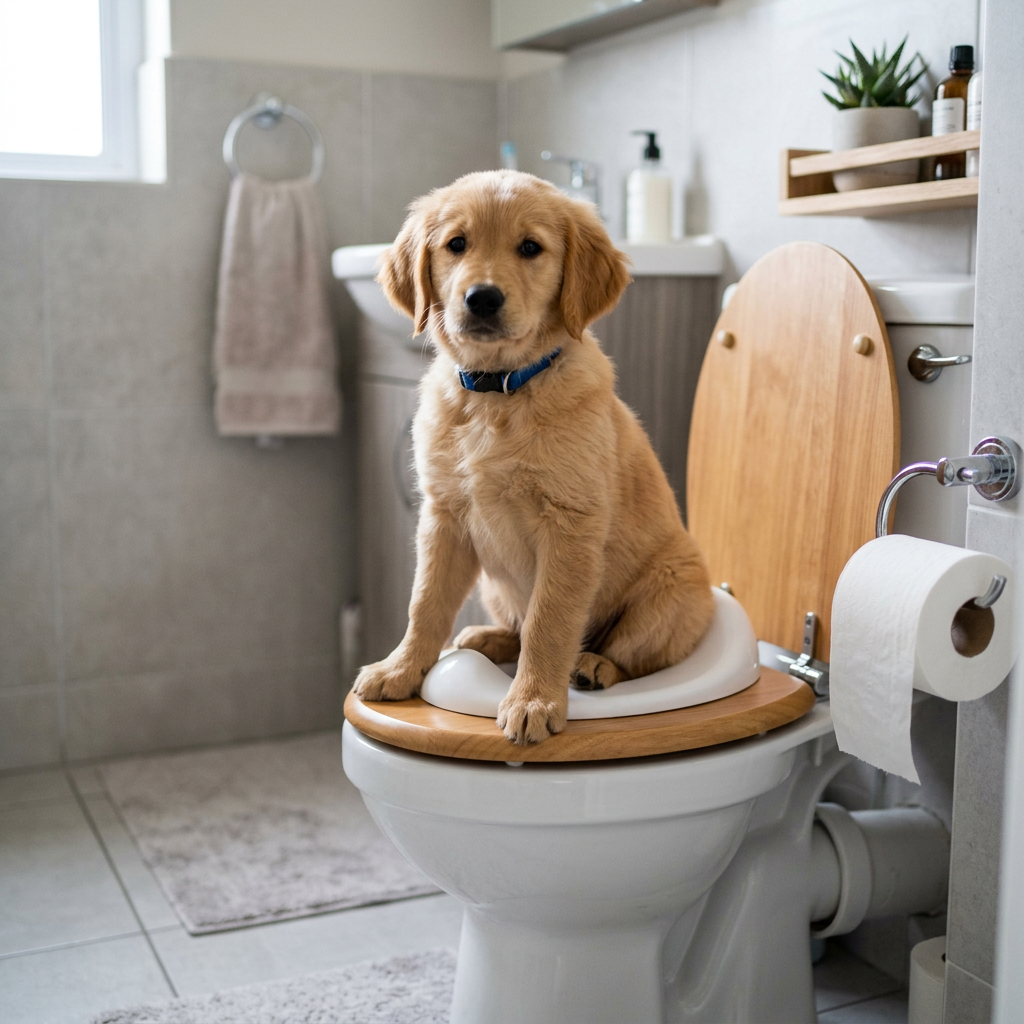
A predictable schedule is the fastest way to successful toilet training. Take your puppy outside:
- First thing in the morning
- After every meal
- After drinking water
- After naps
- After play sessions
- Before bedtime
- Every 1–2 hours during the day for young puppies
Always take your puppy to the same toilet spot. Familiar scents encourage them to go more quickly.
Reward Good Behaviour Immediately
Positive reinforcement is one of the most effective training methods.
When your puppy toilets in the correct place:
- Praise them enthusiastically.
- Offer a small, tasty treat immediately.
- Use a consistent phrase such as “Good toilet!” or “Good potty!”
Rewarding your puppy within a few seconds helps them connect the behaviour with the reward.
Learn Your Puppy’s Toilet Signals
Many puppies give subtle signs before they need to go, including:
- Sniffing the floor
- Walking in circles
- Suddenly stopping play
- Whining
- Heading towards the door
- Squatting
As soon as you notice these signs, calmly take your puppy outside.
Supervise Indoors
Until your puppy is fully trained, close supervision is essential.
When you can’t watch them closely:
- Use a puppy pen.
- Keep them on a lead indoors.
- Use a crate that’s appropriately sized.
Dogs naturally avoid soiling where they sleep, making crate training an excellent tool when used correctly. Never leave a puppy in a crate longer than they can comfortably hold their bladder.
Handle Accidents the Right Way
Accidents are part of learning.
If you catch your puppy in the act:
- Calmly interrupt them.
- Take them outside immediately.
- Praise them if they finish outdoors.
If you discover an accident later:
- Clean it thoroughly with an enzyme-based cleaner.
- Never punish, yell at, or rub your puppy’s nose in the mess.
Punishment can create fear and confusion, making training more difficult.
Stick to Regular Feeding Times
Feeding your puppy at consistent times each day helps regulate their digestion and makes toilet breaks more predictable.
Avoid leaving food out all day, and monitor water intake before bedtime while ensuring your puppy stays well hydrated throughout the day.
Night-Time Toilet Training Tips
Young puppies often need at least one toilet break overnight.
To make night-time easier:
- Keep toilet trips calm and quiet.
- Avoid playtime.
- Return your puppy to bed immediately after they’ve finished.
As your puppy grows, they’ll naturally sleep longer without needing a toilet break.
Common Toilet Training Mistakes
Avoid these common errors:
- Inconsistent routines
- Waiting too long between toilet breaks
- Punishing accidents
- Giving too much freedom too soon
- Forgetting to reward successful toilet trips
Consistency is far more effective than punishment.
How Long Does Toilet Training Take?
Many puppies begin to understand the routine within a few weeks, but complete toilet training often takes between 4 and 6 months. Some breeds and individual puppies may take longer, especially smaller breeds with smaller bladders.
Patience and consistency will produce the best results.
Final Thoughts
Toilet training your puppy doesn’t have to be stressful. By establishing a consistent routine, rewarding good behaviour, supervising carefully, and remaining patient, you’ll help your puppy learn where and when to go.
Remember that every puppy learns at their own pace. Celebrate small successes, stay consistent, and before long, accidents will become a thing of the past. The effort you put into training today will lead to years of happy, stress-free living with your well-trained canine companion.