
Regular grooming is an essential part of keeping your dog healthy, comfortable, and happy. While many owners think grooming is only about keeping a dog looking clean and tidy, it also plays a major role in preventing skin problems, reducing discomfort, and spotting potential health issues early.
Whether you own a short-haired breed or a long-coated dog that requires regular maintenance, understanding the basics of grooming can help improve your dog’s overall well-being.
Here are some important dog grooming tips every owner should know.
Why Grooming Matters
Routine grooming helps:
- Remove dirt and loose hair
- Prevent painful matting
- Reduce shedding
- Improve skin and coat health
- Keep nails at a healthy length
- Detect lumps, parasites, or skin issues early
It also helps dogs become more comfortable with handling, which can reduce stress during vet visits or professional grooming appointments.
Brush Your Dog Regularly
Brushing is one of the most important parts of dog grooming.
How often you should brush depends on your dog’s coat type.
Short-Haired Dogs
Short-coated breeds may only need brushing once or twice a week to remove loose fur and dirt.
Long-Haired Dogs
Long-coated breeds often require daily brushing to prevent tangles and mats from forming.
Double-Coated Breeds
Dogs such as Huskies or Golden Retrievers shed heavily during seasonal coat changes and benefit from regular de-shedding sessions.
Choose the Right Brush
Different coat types require different grooming tools.
Common grooming brushes include:
- Slicker brushes
- Bristle brushes
- Undercoat rakes
- De-shedding tools
- Comb brushes for tangles
Using the correct brush can make grooming easier and more comfortable for your dog.
Bathe Your Dog Properly
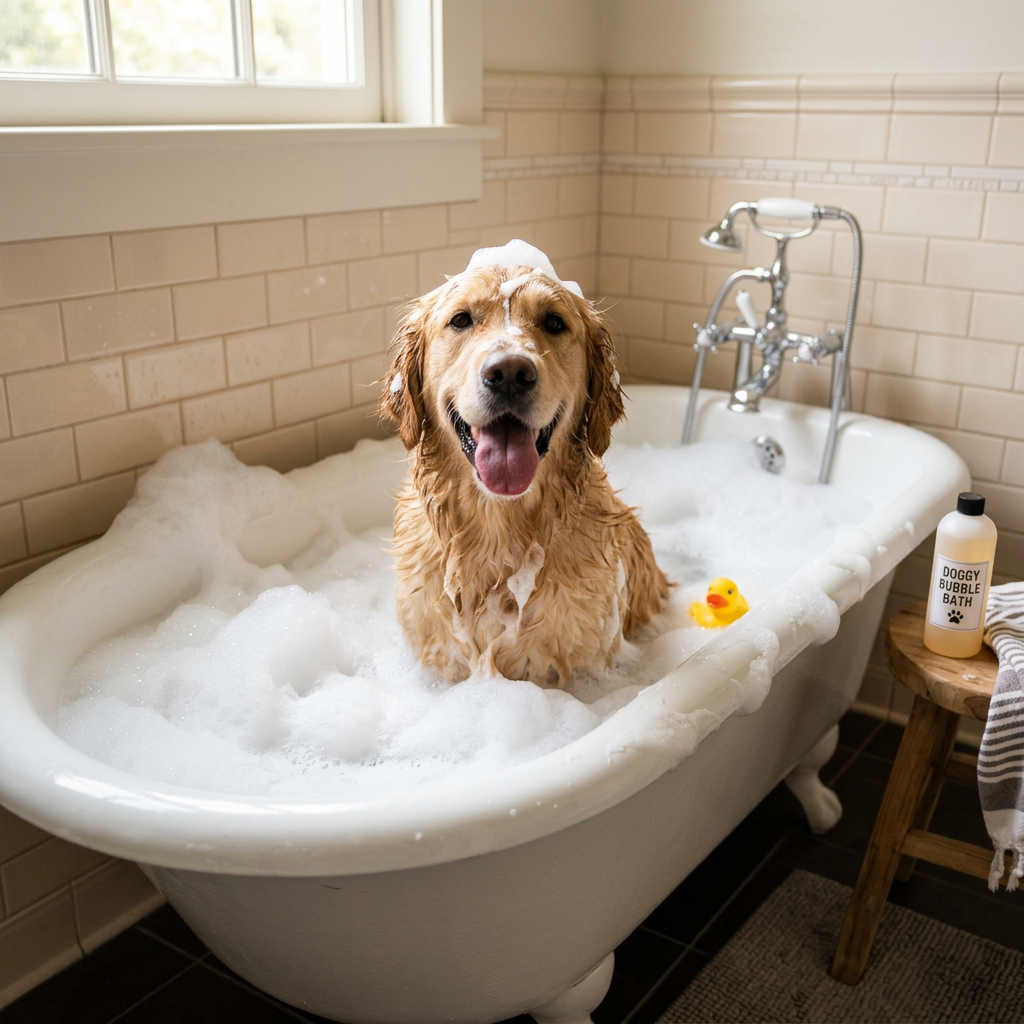
Dogs do not usually need frequent bathing unless they become dirty or smelly.
Bathing too often can:
- Dry out the skin
- Remove natural oils
- Cause irritation
Most dogs benefit from a bath every few months, though active dogs may need more regular washing.
Use Dog-Specific Shampoo
Always use shampoo designed specifically for dogs.
Human shampoos can disrupt your dog’s skin pH balance and lead to irritation.
If your dog has sensitive skin, your vet may recommend medicated or hypoallergenic products.
Keep Nails Trimmed
Overgrown nails can cause:
- Pain when walking
- Joint strain
- Difficulty standing properly
- Injuries from splitting
You should hear minimal clicking when your dog walks across hard floors.
If you are nervous about trimming nails yourself, a groomer or vet can help.
Check and Clean Ears
Some breeds are more prone to ear problems, especially dogs with:
- Floppy ears
- Hairy ear canals
- Frequent swimming habits
Signs of ear problems include:
- Bad smell
- Redness
- Excessive scratching
- Head shaking
Use a vet-approved ear cleaner and avoid inserting anything deep into the ear canal.
Brush Your Dog’s Teeth
Dental disease is extremely common in dogs and can lead to pain, infections, and tooth loss.
Good dental care includes:
- Regular tooth brushing
- Dental chews
- Vet-approved dental products
Dog-specific toothpaste should always be used, as human toothpaste can be toxic to pets.
Watch for Skin Problems
Grooming sessions are a good opportunity to check for:
- Lumps or bumps
- Fleas or ticks
- Dry skin
- Hot spots
- Bald patches
- Rashes
Early detection can help prevent more serious health issues from developing.
Prevent Matting
Matted fur can become extremely painful and may pull tightly on the skin.
Severe matting can:
- Restrict movement
- Trap moisture and bacteria
- Cause skin infections
Areas especially prone to matting include:
- Behind the ears
- Under the legs
- Around the collar
- Tail areas
Regular brushing is the best prevention.
Make Grooming a Positive Experience
Some dogs become anxious during grooming, especially if they are not introduced to it early.
To help your dog feel comfortable:
- Keep sessions calm and short
- Use treats and praise
- Introduce grooming gradually
- Handle paws and ears gently from a young age
Positive experiences can make future grooming far easier.
Know When to Use a Professional Groomer
Professional groomers can help with:
- Breed-specific cuts
- Severe matting
- Nail trimming
- Hand stripping
- Coat maintenance
Long-coated and high-maintenance breeds often benefit from regular professional appointments.
Seasonal Grooming Tips
Summer
- Keep coats well brushed
- Check for ticks after walks
- Avoid shaving double-coated breeds unless advised by a professional
Winter
- Dry dogs thoroughly after wet walks
- Trim excess fur around paws
- Remove mud and grit after outdoor walks
Common Grooming Mistakes to Avoid
Shaving Double-Coated Dogs
Double coats help regulate body temperature and protect skin from sun exposure.
Bathing Too Often
Excessive bathing can damage the skin barrier.
Ignoring Nail Length
Long nails can affect posture and mobility.
Using Human Products
Human shampoos and toothpaste are not suitable for dogs.
Regular grooming is about far more than appearance — it plays a key role in your dog’s health, comfort, and happiness. By maintaining a simple grooming routine at home and seeking professional help when needed, owners can help prevent common health issues and keep their dogs feeling their best.
A well-groomed dog is often a healthier, happier, and more comfortable companion, making grooming an important part of responsible pet care.