
A healthy diet is one of the most important factors in keeping your dog happy, active, and living a long life. Just like humans, dogs need the right balance of nutrients to support their immune system, maintain a healthy weight, and promote overall wellbeing.
With so many dog food brands, feeding trends, and conflicting opinions online, it can be difficult for owners to know what is actually best for their pet. This guide covers practical diet tips to help you make informed choices and support your dog’s health at every stage of life.
Why Your Dog’s Diet Matters
Good nutrition affects nearly every part of your dog’s health, including:
- Energy levels
- Weight management
- Coat and skin condition
- Digestion
- Joint health
- Immune function
- Dental health
Poor nutrition, on the other hand, can contribute to obesity, digestive issues, allergies, and long-term health problems.
Choose High-Quality Dog Food
Not all dog foods are created equal. When choosing food, look for products that contain:
- High-quality protein sources
- Clearly listed ingredients
- Balanced vitamins and minerals
- Appropriate nutrients for your dog’s age and breed
Good-quality dog food should list a named protein source such as:
- Chicken
- Beef
- Salmon
- Turkey
- Lamb
as one of the main ingredients.
Avoid foods that contain excessive fillers, artificial additives, or vague ingredients like “meat derivatives” where possible.
Feed the Right Amount
Overfeeding is one of the biggest causes of obesity in dogs across the UK.
Even small amounts of extra food each day can lead to weight gain over time.
Tips for Portion Control
- Follow feeding guidelines on the packaging
- Adjust portions based on activity levels
- Use measuring cups or scales
- Reduce food slightly if giving extra treats
Your vet can help determine the ideal portion size for your dog.
Maintain a Healthy Weight
Keeping your dog at a healthy weight reduces the risk of:
- Diabetes
- Heart disease
- Joint problems
- Breathing difficulties
- Reduced lifespan
You should be able to:
- Feel your dog’s ribs without pressing hard
- See a visible waist from above
- Notice a tummy tuck from the side
If you are unsure, ask your vet for a body condition assessment.
Always Provide Fresh Water
Hydration is essential for your dog’s health.
Make sure your dog always has access to:
- Clean
- Fresh
- Cool water
This is especially important during:
- Hot weather
- Exercise
- Illness
- After walks
Some dogs drink more readily from wide bowls or pet water fountains.
Avoid Harmful Human Foods
Many everyday foods that are safe for humans can be dangerous or toxic to dogs.
Foods Dogs Should Never Eat
- Chocolate
- Grapes and raisins
- Onions and garlic
- Avocado
- Alcohol
- Caffeine
- Xylitol (found in sugar-free products)
- Cooked bones
If your dog eats something toxic, contact a vet immediately.
Choose Healthy Treats
Treats should only make up a small part of your dog’s daily diet.
Too many treats can quickly lead to weight gain.
Healthier Treat Options
- Small training treats
- Carrot sticks
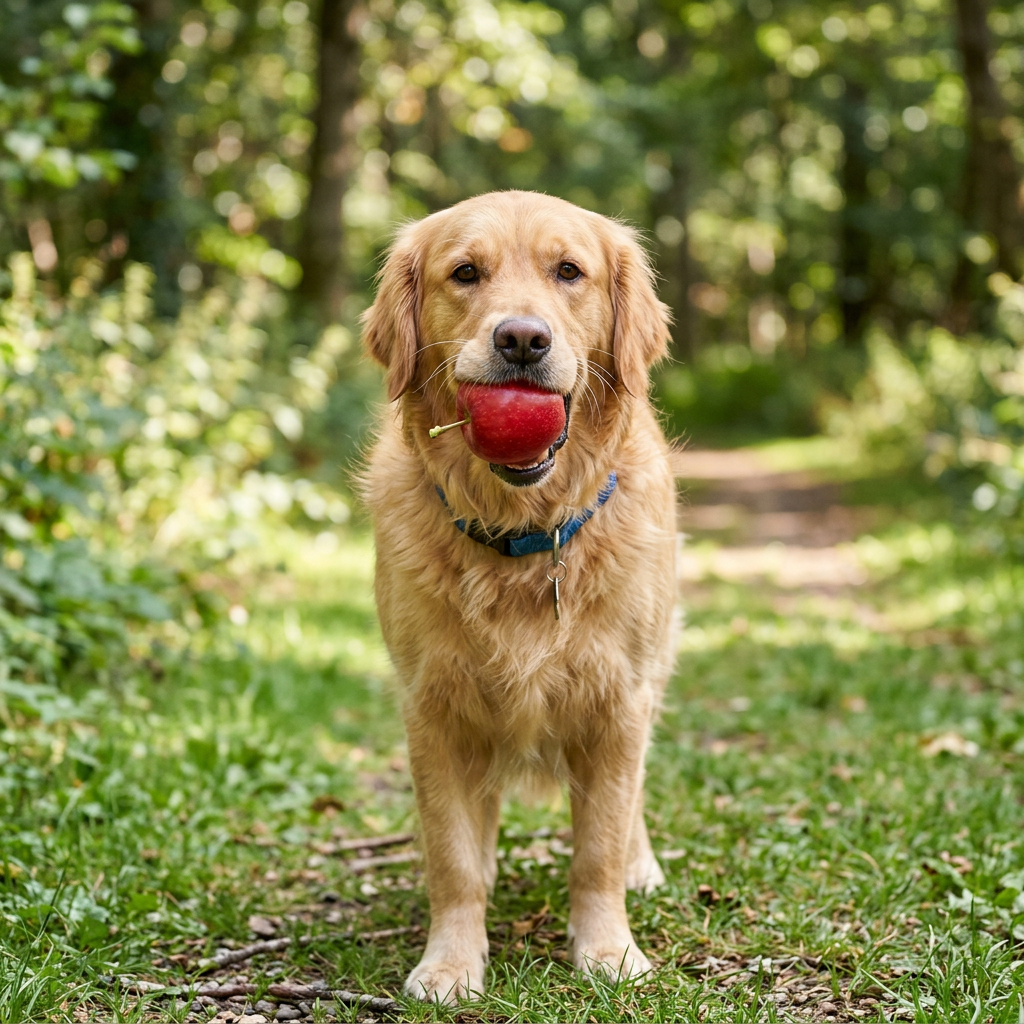
- Apple slices (without seeds)
- Blueberries
- Dog-safe dental chews
Always introduce new foods gradually and in moderation.
Feed According to Age and Lifestyle
Dogs have different nutritional needs depending on their:
- Age
- Breed
- Size
- Activity level
- Health conditions
Puppies
Need higher calories and nutrients for growth.
Adult Dogs
Require balanced maintenance diets.
Senior Dogs
May benefit from lower-calorie food with joint support ingredients.
Working or highly active dogs may also require more energy-rich diets.
Be Careful With Raw Diets
Raw feeding has become increasingly popular, but it is important to understand the risks and benefits.
Potential concerns include:
- Bacterial contamination
- Nutritional imbalances
- Bone injuries
- Food safety risks
If considering a raw diet, speak with a veterinary professional or qualified canine nutritionist first.
Watch for Food Allergies or Sensitivities
Some dogs develop sensitivities to certain ingredients.
Possible signs include:
- Itchy skin
- Ear infections
- Excessive licking
- Digestive upset
- Loose stools
Common triggers may include:
- Beef
- Dairy
- Wheat
- Chicken
Your vet may recommend an elimination diet to identify the cause.
Keep a Consistent Feeding Routine
Dogs generally thrive on routine.
Try to:
- Feed at the same times each day
- Avoid sudden food changes
- Transition gradually between foods over 7–10 days
Consistency can help support healthy digestion and reduce stomach upset.
Don’t Ignore Dental Health
Diet can also affect your dog’s teeth and gums.
Dental-friendly options include:
- Dry kibble
- Dental chews
- Vet-approved dental diets
Regular brushing is still one of the best ways to maintain oral health.
Signs Your Dog May Have a Poor Diet
Speak with your vet if your dog experiences:
- Weight gain or weight loss
- Low energy
- Dull coat
- Persistent itching
- Bad breath
- Digestive problems
- Frequent diarrhoea
These symptoms may indicate nutritional issues or underlying health conditions.
A healthy diet is one of the simplest and most effective ways to improve your dog’s quality of life. Feeding balanced meals, monitoring portion sizes, providing fresh water, and choosing nutritious treats can help keep your dog healthy for years to come.
Every dog is different, so it is always worth speaking to your vet if you are unsure about the best diet for your pet. Small changes to your dog’s nutrition today can make a big difference to their long-term health and happiness.